Research Themes

MS3L develops membrane-enabled separations for sustainable chemical processing, circular resource systems, and energy-related applications. Select a theme to see its figure, core topics, methods, and selected papers.

Biorefinery separation workflow and recovery concept for biomass-derived products.
Biorefinery

Carbon-efficient routes from biomass to purified platform chemicals.

Conversion chemistry and low-energy separation designed as one process, replacing neutralization-heavy purification steps.

Biomass valorization Biomass platform chemicals Sustainable downstream processing Organic acid purification Acid and base regeneration
Details
Circular plastics workflow with membrane-enabled solvent and monomer recovery.
Plastic recycling

Membrane-enabled depolymerization and monomer purification for circular plastics.

Selective separation routes that cut process heat duty and solvent loss in chemical recycling of mixed polymer streams.

PET and polystyrene upcycling Solvent recovery loops Monomer purification
Details
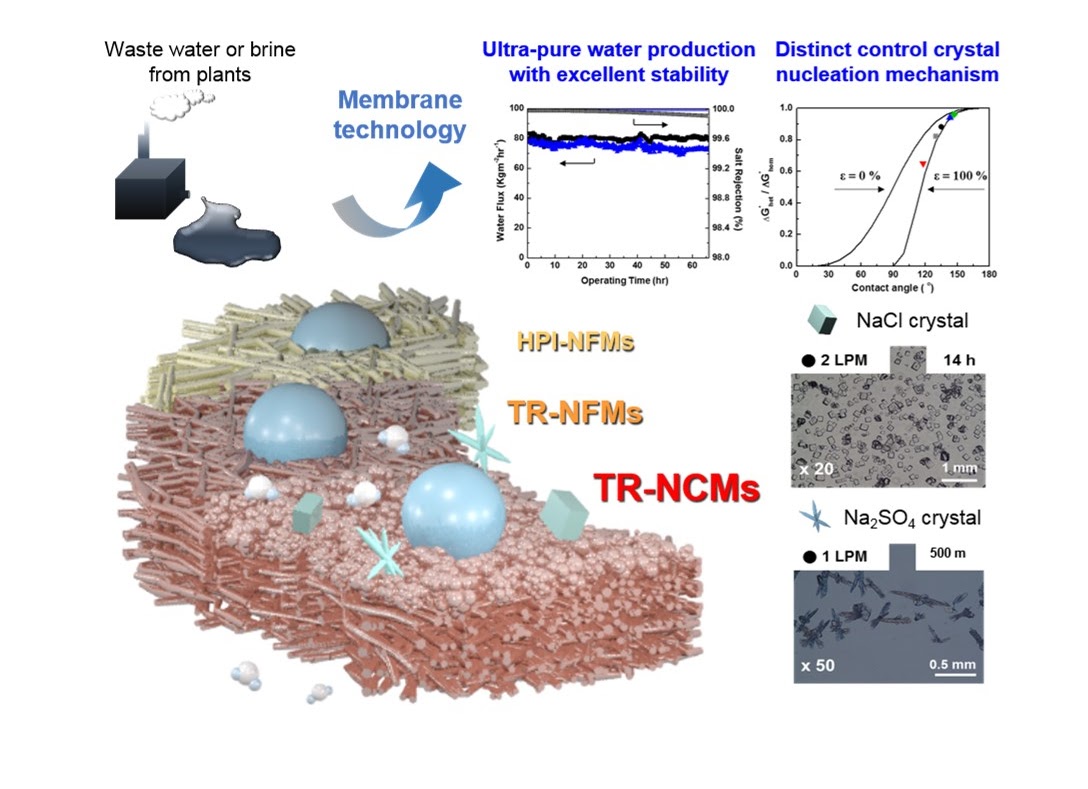
Resource recovery concept showing concentration, crystallization, and selective purification.
Resource recovery

Recovering value from dilute and contaminated streams with membrane process intensification.

Membrane-first pathways for feed streams where conventional purification is too expensive to justify.

Valuable salt recovery Water reuse Concentration and crystallization
Details
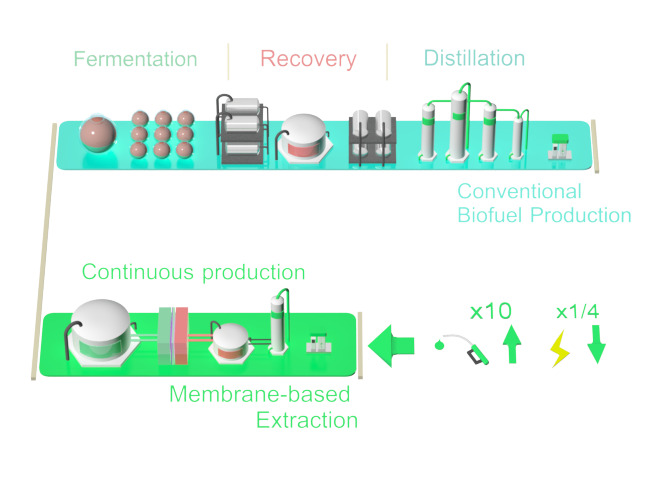
Energy-related membrane applications spanning biofuels, osmosis modules, and battery materials.
Energy-related applications

Membranes for fuel separation, osmotic power, and energy storage materials.

Selectivity that has to survive from material to module, across fuel recovery, salinity-gradient power, and storage.

Biofuel recovery Crude oil fractionation Osmotic power generation Battery separator materials
Details